

Could low omega-3 levels be holding you back?
Omega-3 plays an important role in heart, brain and eye health. Many people rarely eat oily fish, making it difficult to achieve optimal omega-3 status through diet alone. A simple home blood test shows where you stand and what to do next.
Who is at Risk of Deficiency?
You may benefit from checking your Omega-3 status if you:
- Rarely eat oily fish
- Follow a vegetarian or vegan diet
- Are concerned about heart health
- Want to support memory and concentration
- Exercise regularly
- Are planning for healthy ageing
What is the Omega-3 Index?(O3I)
- The Omega-3 index is a biomarker that measures the combined percentage of two key long-chain omega-3 fatty acids—eicosapentaenoic acid (EPA) and docosahexaenoic acid (DHA)—in red blood cell membranes, expressed as a percentage of total fatty acids.
- It was developed in 2004 by leading Omega-3 researcher Dr William S. Harris and German Cardiologist Dr. Clemens von Schacky.
- The Omega-3 Index measures your omega-3 status in the body and a risk factor for cardiovascular disease (particularly fatal coronary heart disease), in the same way as HbA1c reflects long-term blood glucose control.
How it's Measured
- A blood sample (often a simple finger prick) analyses the fatty acid composition of red blood cell membranes.
- It typically reflects average Omega-3 intake and tissue levels over the past 3–4 months (the lifespan of red blood cells).
- Our Essential Test focuses specifically on EPA + DHA levels whereas the Advanced Test measures all 24 fatty acids in the blood and provides all the key ratios: Omega-3 Index, Omega-6 to Omega-3 ratio, AA:EPA ratio and the Trans Fat Index.

RISK CATEGORIES
- ≥ 8%: Optimal / desirable (lowest risk zone for cardiovascular events).
- 4–8%: Intermediate.
- < 4%: Low / high risk.
References
- Red Blood Cell DHA Is Inversely Associated with Risk of Incident Alzheimer’s Disease and All-Cause Dementia: Framingham Offspring Study – link
- Omega-3 Fatty Acids in Pregnancy—The Case for a Target Omega-3 Index – link
- A. Polyunsaturated fatty acid levels of serum and red blood cells in apparently healthy Japanese subjects living in an urban area – link
B. Can a High Omega-3 Level Add Years to Your Life? New Research Says Yes! – link - A. HS-Omega-3 Index and psychiatric diseases – link
B. Omega-3 fatty acids and mental health – ScienceDirect – link - The Omega-3 Index: a new risk factor for death from coronary heart disease? – link
- Omega-3 index is directly associated with a healthy red blood cell distribution width – link
- The omega-3 index is inversely associated with the neutrophil-lymphocyte ratio in adults – link
- Cognitive Impairment Is Associated with a Low Omega-3 Index in the Elderly: Results from the KORA-Age Study – link
- Cognitive Impairment Is Associated with a Low Omega-3 Index in the Elderly: Results from the KORA-Age Study – Abstract – link
- New Study Shows Kids with Higher Omega-3 Levels Have Healthier DNA – link
- A. The Omega-3 Index: a new risk factor for death from coronary heart disease? – link
B. Cardiovascular benefits of omega-3 fatty acids – link
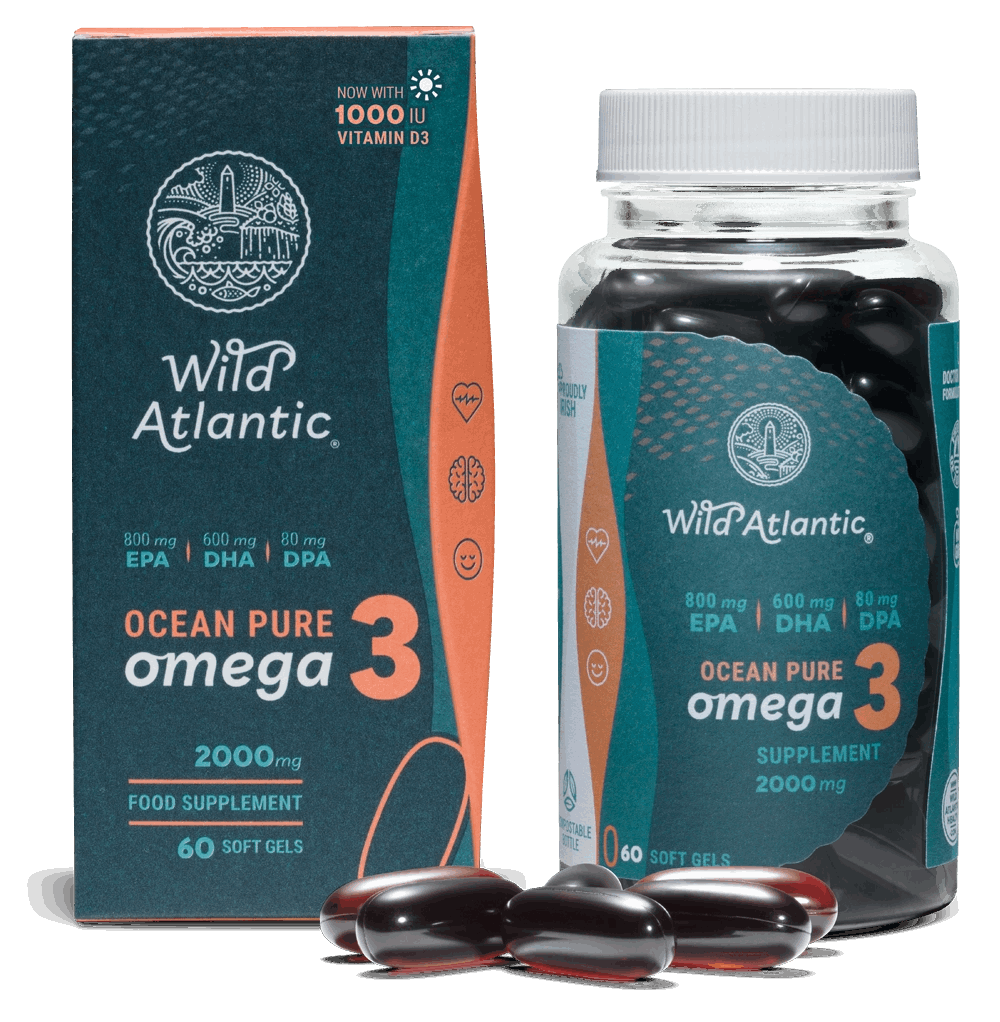
Ocean Pure Omega-3
A high-strength blend of EPA, DHA, and DPA from sustainably sourced wild fish — formulated to support cardiovascular, cognitive, and metabolic health.
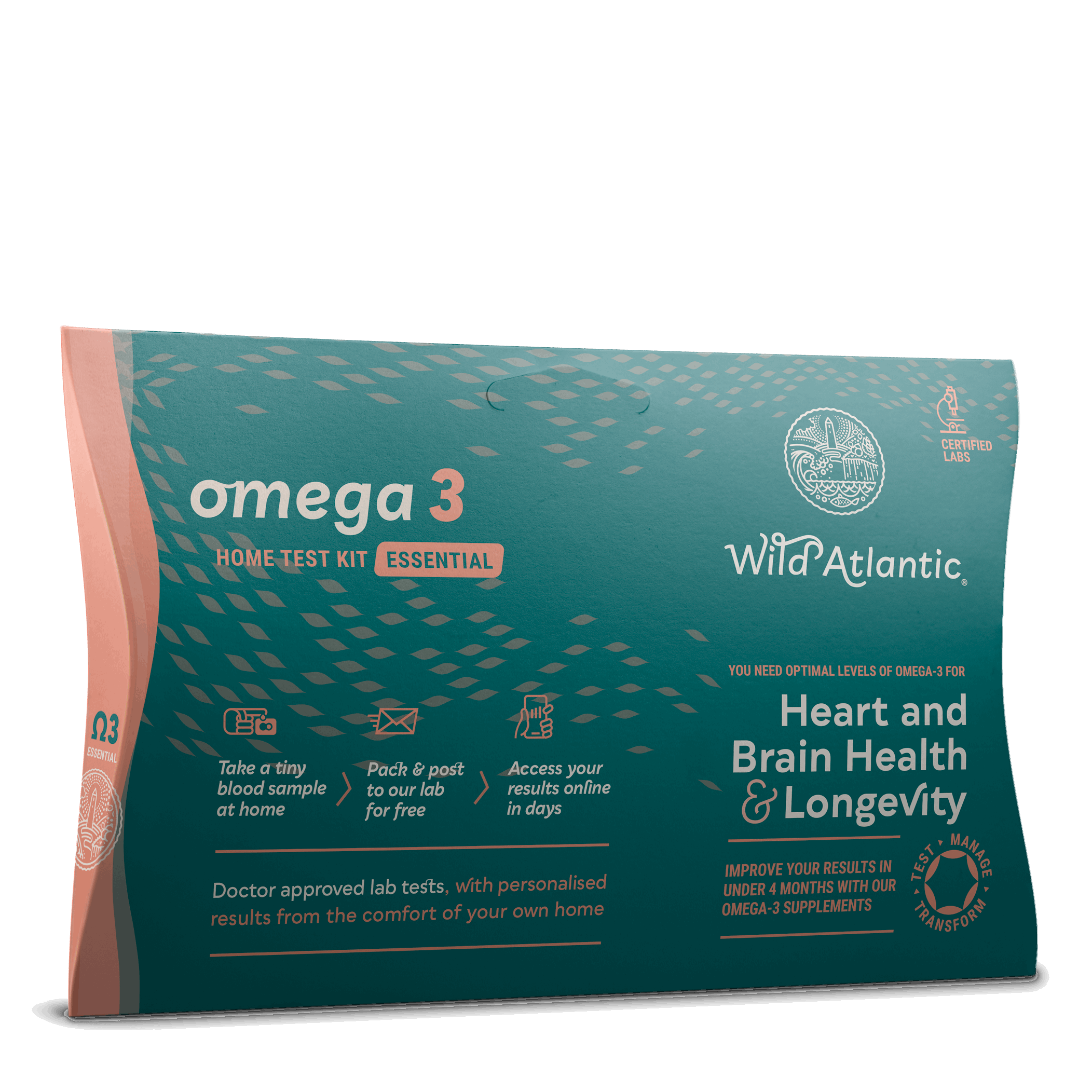
Omega-3 Essential Home Test
Our at-home Omega-3 Essential test provides a simple and accurate way to check your Omega-3 levels from the comfort of home - without a doctor’s visit.
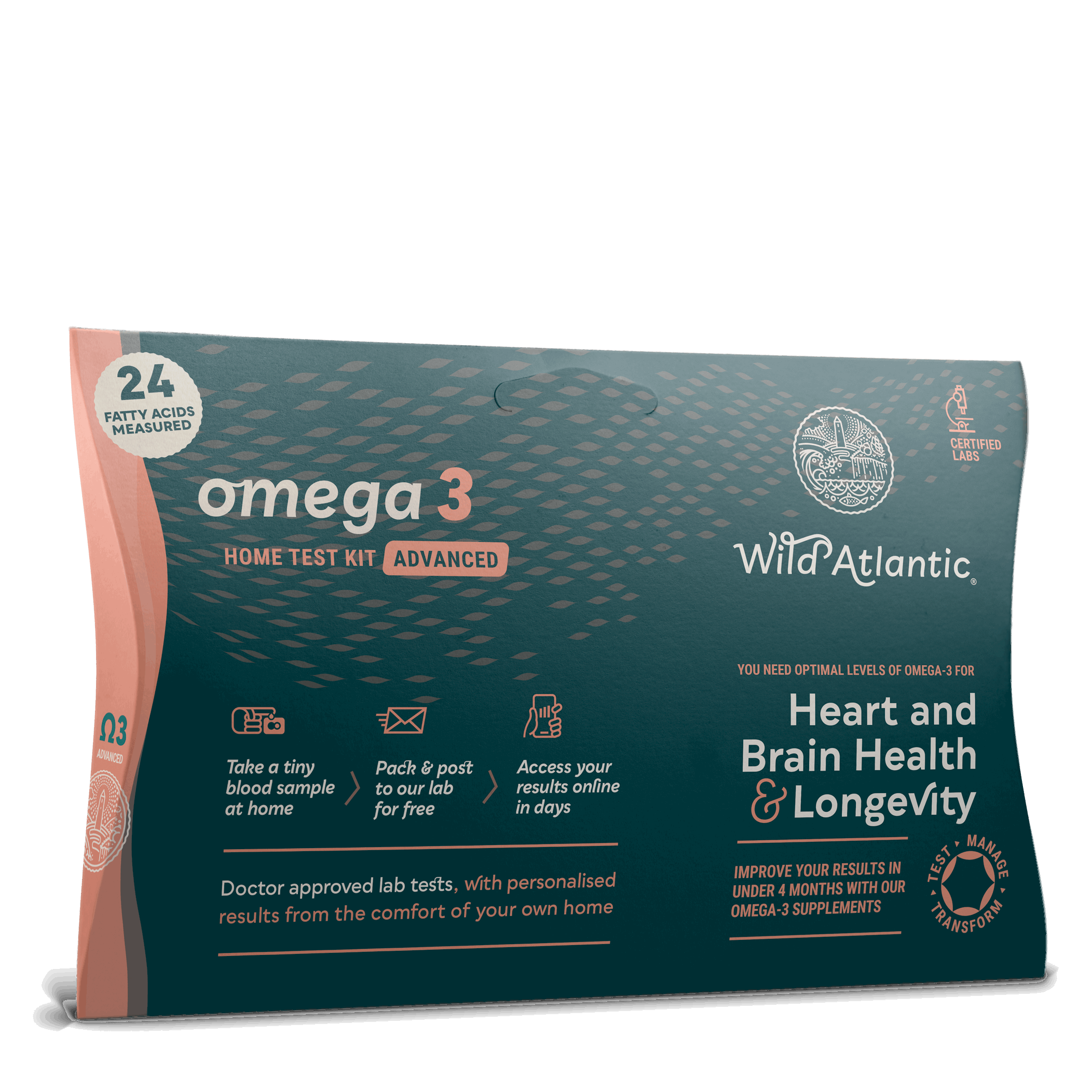
Omega-3 Advanced Home Test
Our advanced at-home blood test gives you a clear result within two weeks — so you understand your Omega-3 Index and what action to take next.
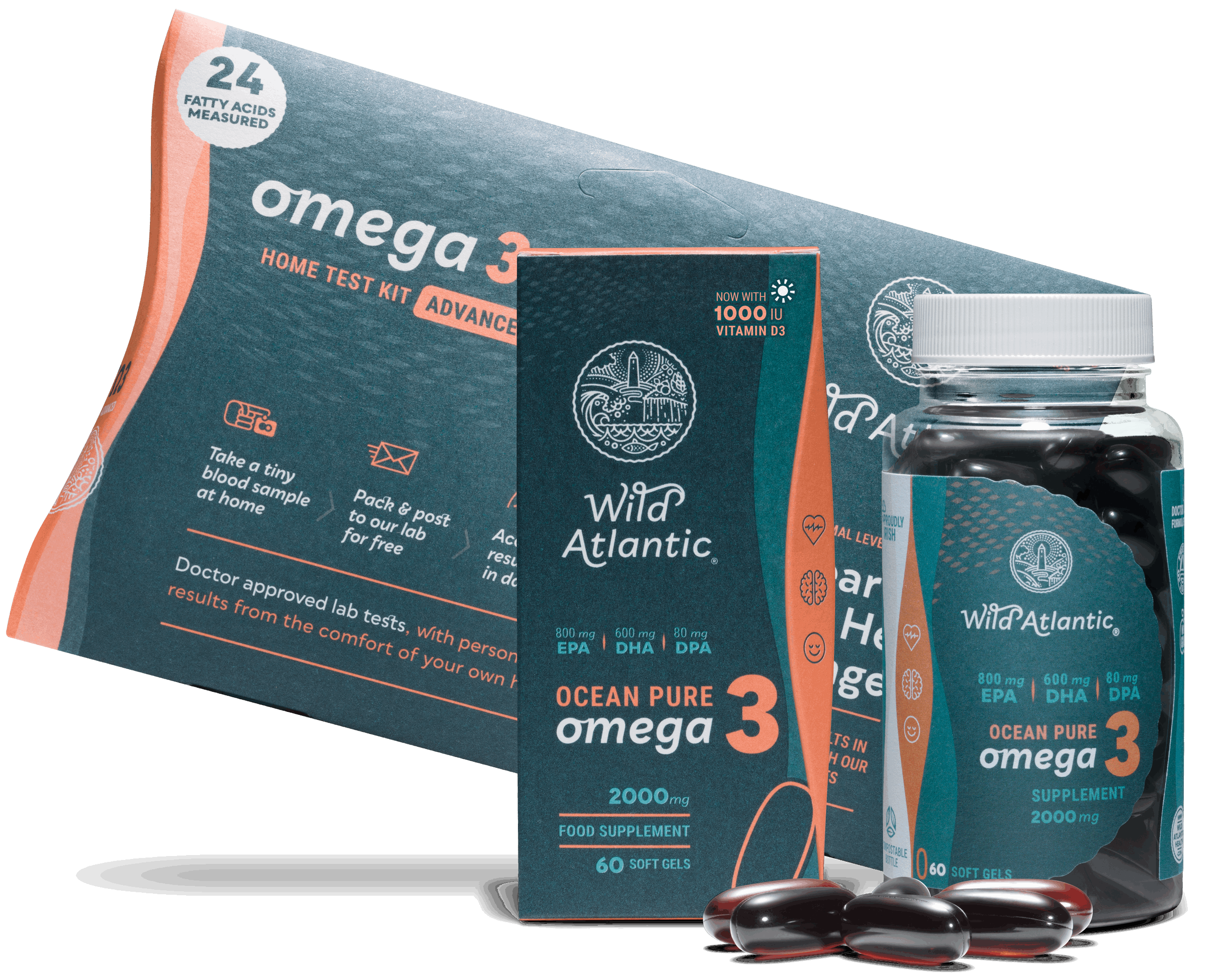
Omega Balance Pro Bundle
The complete Omega-3 strategy — measure your levels, support them properly, and keep them steady with better value in one bundle. Biggest Savings
Why It Matters?


EPA and DHA are essential for cardiovascular health. They help reduce inflammation, lower triglycerides, and support healthy cholesterol levels. This triple-strength formula provides 3x more Omega-3s, delivering stronger protection for your heart.


DHA is crucial for brain function, improving memory and cognitive health. DPA further boosts the absorption and efficacy of DHA and EPA, ensuring your brain gets the nutrients it needs to stay sharp.


Omega-3 fatty acids help reduce inflammation, making this supplement a powerful ally in promoting joint health and easing discomfort from stiffness.


Higher Omega-3 Index levels are associated with better heart health outcomes, and it may also support brain, eye, and joint health.
Other Articles About Omega-3
View all-

How to Work Out Your Vitamin D Dosage (Step by ...
Millions of people—especially those living in northern climates—are unknowingly deficient in vitamin D. If you work indoors,...
How to Work Out Your Vitamin D Dosage (Step by ...
Sep 12,2025Millions of people—especially those living in northern climates—are unknowingly deficient in vitamin D. If you work indoors,...
Read More -

Omega 3 and Its Effect On The Immune System
Omega-3 fatty acids, essential nutrients found in various foods and supplements, are well-known for their numerous health...
Omega 3 and Its Effect On The Immune System
Mar 14,2025Omega-3 fatty acids, essential nutrients found in various foods and supplements, are well-known for their numerous health...
Read More -

How Long Does It Take Omega 3 To Work?
Omega-3 fatty acids are essential for various aspects of health, but the time it takes to notice...
How Long Does It Take Omega 3 To Work?
Mar 14,2025Omega-3 fatty acids are essential for various aspects of health, but the time it takes to notice...
Read More


